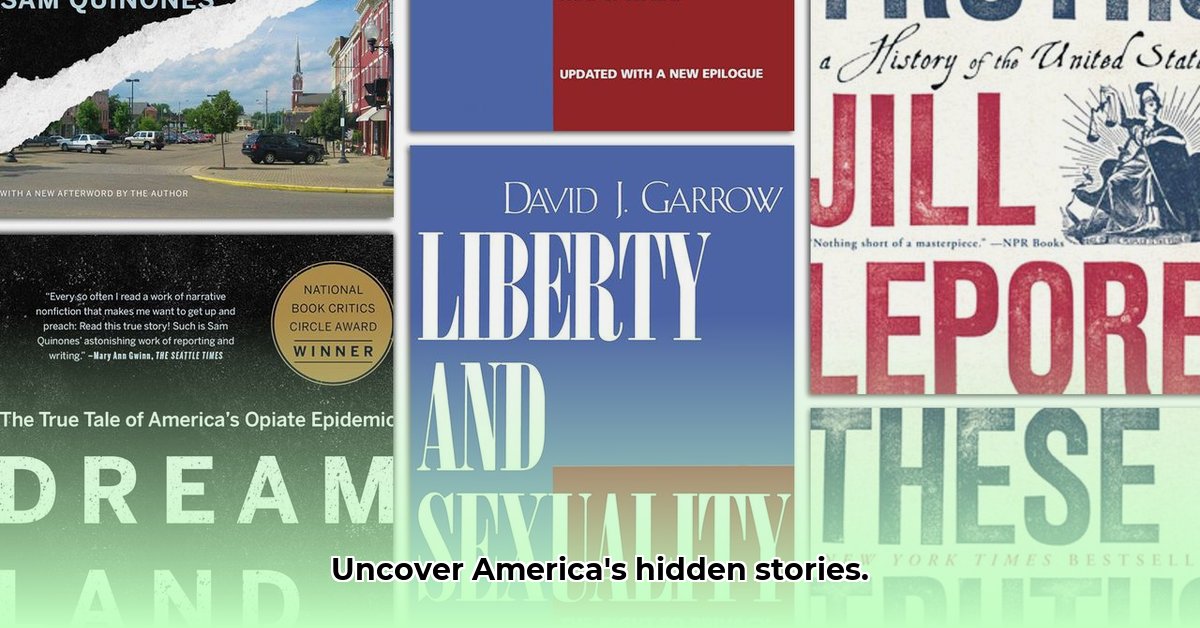
American history is far more than a collection of dates and names; it's a vibrant tapestry woven from diverse perspectives and untold stories. This isn't simply about memorizing facts, but about understanding the complex forces that shaped the nation. To achieve a richer understanding, we need to delve into narratives that challenge conventional wisdom and expose the multifaceted nature of the past. This curated list offers a starting point for your journey, highlighting exceptional books that offer varied perspectives and captivating storytelling. We'll explore key moments, recommending books that excavate both well-known events and often-overlooked details. For even more recommendations, check out this great resource.
Best American History Books to Read
The Crucible of Nationhood: Revolutionary Era and Early Republic
Understanding the birth of the United States requires grappling with its inherent contradictions. These books offer diverse perspectives on the formation of the nation and the individuals who shaped its destiny.
American Lion: Andrew Jackson in the White House by Jon Meacham: This isn't merely a biography; it's a compelling narrative of one of America's most controversial presidents. Meacham masterfully portrays Jackson's complexities—his strengths, weaknesses, and profound impact on the young nation—providing a nuanced understanding of this pivotal figure and his era. How did Jackson's policies shape the future of the United States?
The Patriot's History of the United States by Michael Farris: Offering a conservative interpretation, this book provides a counterpoint to more mainstream narratives. Reading diverse interpretations is crucial for critical thinking; comparing this book with others highlights how historians interpret the same events, fostering a deeper understanding of historical debates. What are the limitations and strengths of this book's methodology?
A Nation Divided: The Civil War and Reconstruction
The Civil War remains a defining chapter in American history, leaving an enduring legacy. These books offer crucial insights into this tumultuous period and its lasting consequences.
Battle Cry of Freedom by James McPherson: Widely regarded as one of the most comprehensive and engaging Civil War histories, McPherson's work is both scholarly and accessible. His meticulous research provides a detailed yet captivating examination of this pivotal conflict. What role did the war play in shaping the nation's identity?
Reconstruction: America's Unfinished Revolution, 1863-1877 by Eric Foner: Foner's groundbreaking work challenges simplistic interpretations of Reconstruction, unveiling its complexities and revealing the ongoing struggle for racial equality. How did the failure of Reconstruction shape the course of American race relations?
An Era of Transformation: The Progressive Era and World Wars
The early 20th century witnessed seismic shifts in American society. These books illuminate the political, social, and economic transformations that defined the modern nation.
The Age of Reform by Richard Hofstadter: This insightful analysis explores the Progressive Era, shedding light on the key figures and ideas that drove this period of sweeping change. Hofstadter's keen observations remain relevant today. What were the lasting effects of Progressive Era reforms?
The Guns of August by Barbara W. Tuchman: Tuchman's masterful narrative plunges readers into the events of August 1914, revealing how a series of seemingly minor decisions escalated into a world war. This gripping account underscores the fragility of peace and the dangers of unchecked ambition. What were the underlying causes of World War I, according to Tuchman's analysis?
The Enduring Struggle for Equality: The Civil Rights Movement and Beyond
The fight for racial equality is a defining theme in American history—a struggle that continues to this day. These books illuminate essential aspects of this ongoing quest for justice.
Eyes on the Prize by Clayborne Carson et al.: This powerful work, based on the acclaimed PBS documentary, captures the spirit and impact of the Civil Rights Movement. It offers a compelling narrative of the activists, organizers, and ordinary citizens who risked their lives to fight for equality. How did the strategies of the Civil Rights Movement differ across different regions and communities?
Roll, Jordan, Roll: The World the Slaves Made by Eugene D. Genovese: Genovese's work focuses on the resilience and agency of enslaved people, highlighting their capacity to build communities, preserve culture, and resist oppression. What methods did enslaved Africans use to resist enslavement?
A Deeper Dive: Suggested Readings
| Time Period | Book Title | Author | Key Themes |
|---|---|---|---|
| Revolutionary Era | American Lion | Jon Meacham | Andrew Jackson, early American politics |
| Civil War | Battle Cry of Freedom | James McPherson | Military strategies, social impact of the war |
| Reconstruction | Reconstruction | Eric Foner | Racial equality, political upheaval |
| Progressive Era | The Age of Reform | Richard Hofstadter | Social reform, political corruption |
| World War I | The Guns of August | Barbara W. Tuchman | Diplomacy, international relations, the outbreak of war |
| Civil Rights Movement | Eyes on the Prize | Clayborne Carson et al. | Nonviolent resistance, racial justice |
| Slavery & Antebellum South | Roll, Jordan, Roll | Eugene D. Genovese | Slave resistance, community building |
This curated list represents a starting point for a deeper understanding of American history. Explore these books, seek out other perspectives, and remember: the journey of historical understanding is ongoing. Happy reading!